1. MENTALFLOSS AND HISTORIC ILLUMINATED ARTWORK.
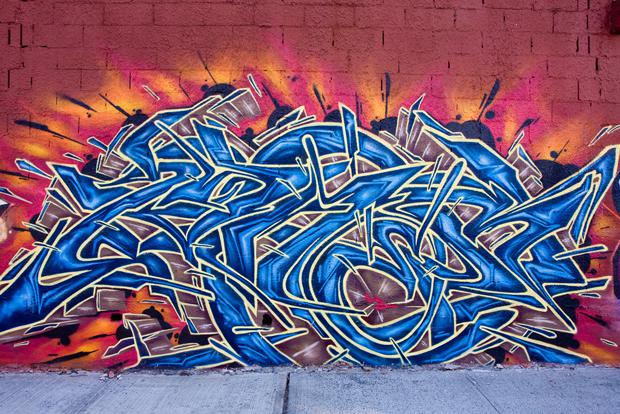
This website defines and illustrates 14 different types of street art.
Click the link below to access Mentalfloss.
http://mentalfloss.com/article/51583/14-street-art-terms%E2%80%94illustrated
This is the jumping off point for exploring the topic ‘What’s your Creed?’
Looking and reading at the website as a group could be followed with a discussion about what ‘Creed’ means. Students also address how these contemporary artists express their truth? How do they draw attention to their art? In pairs, students contemplate and list in their visual diaries personality virtues and/or political issues that are important to them.
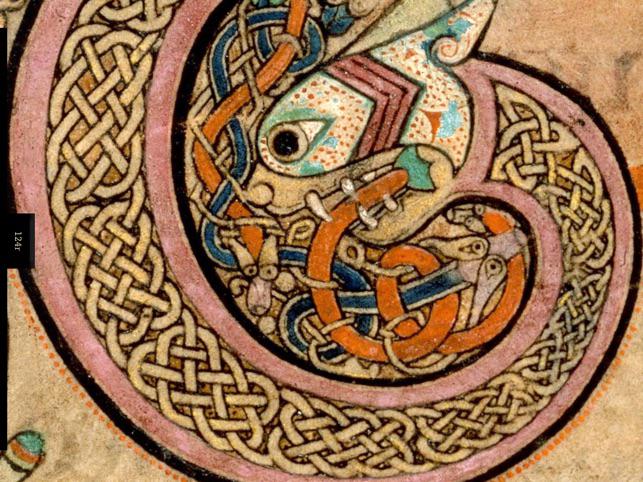
Next students observe the short clip about illuminated religious artworks. Click the link below to view.
Art has been used to convey important truths through richly decorated artwork and writings of various religions for centuries. Students search internet and library books for examples of Hindu, Buddhist, Islamic and Christian antique artworks.
In pairs, students discuss how the artist of these artworks convey their truth or Creed.
How did they reinforce the importance of the message in the artwork?
Write down in your visual diaries some words or character virtues or traits, or current affairs issues that are important to you. Note down any other related ideas that spring to mind. Contemplate what the world need more of in your opinion (or less of).
Pick one or two words or issues that resonate with you.
From these findings we will be producing a mash up artwork combining your truth with these two art forms.
This is a Responding activity. It addresses ‘Explore and Express Ideas – Explore Visual arts practice as inspiration to explore and develop themes, concepts or ideas in artworks’.
2. WILLIAM KENTRIDGE – CREATIVE PROCESS.
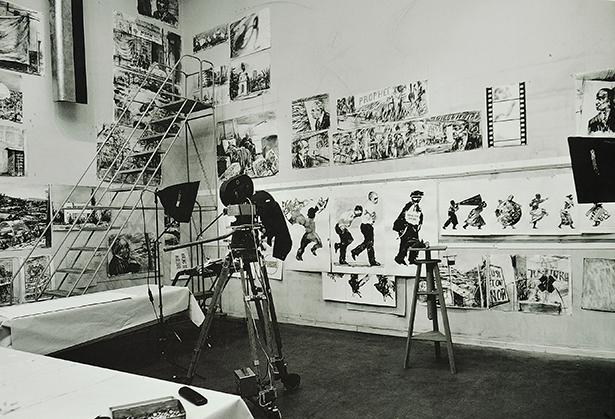
Below is a clip of a well-known South African Artist that is against Apartheid. He conveys his feelings about Apartheid to the world through his hand drawn animations. Learn about the creative process Kentridge has to produce his art by watching this clip.
https://www.youtube.com/watch?v=Dnweo-LQZLU
The viewing is followed by a group discussion where we define the words ‘creative process’ and ‘trajectories’.
Referring to the notes or list you produced in the last class, extend and explore your ideas of what you want to convey in your mash up and how you want to convey.
Brief discussion with opportunities for students to share their emerging creative process to
This is a making exercise. It responds to the strand, ‘Visual Arts Practice - Develop skills in planning and designing artworks and documenting artistic practice’.
3. JULIE GAUTIER – PERFORMANCE ARTIST.
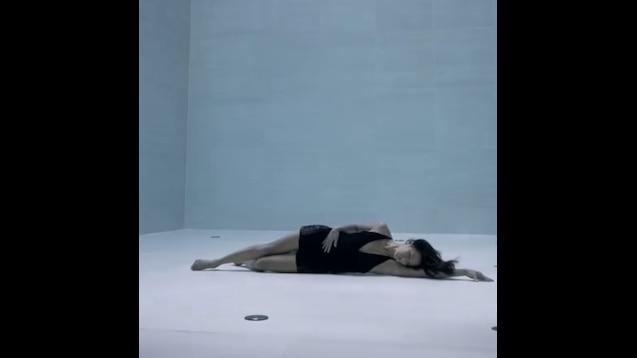
The following video is of a Julie Gautier, a dancer. As we watch the video we are going to participate in an exercise called Automatic Drawing. Simply make marks inspired by what you see and hear, don’t feel any pressure to draw her. This exercise is to give you the chance to try different provided art mediums – pencil, watercolour, inks and acrylic paint – to experience how the mediums feel so that you might discover a medium you are particularly drawn to. You can use your favoured hand, both hands and your unflavoured hand. Control/Click the link to begin.
https://www.youtube.com/watch?v=bdBuDg7mrT8
This image is of an artist called Tony Orrico. He produces Bilateral drawings, that is, he uses both hands and makes the same marks with both hands producing a drawing that is like a mirror image.
We are going to produce our own bilateral drawings using different mediums to before. This time we will be experimenting with chalk pastels, oil pastels, graphite stick, biro, crayons and coloured felt tip pens. Experiment with same medium but different colours in each hand or two different mediums. Please be encouraged to experiment.
Other options for experimental make making are extension pole drawing with a pencil or crayon. Duct tape your medium onto the end of a piece of timber dowel, lay your paper on the floor or attach to an easel and make some marks!
Opportunity for interesting marks to be made with a fine liner in an unflavoured hand could be attempted too.
This resource and activities align with ‘making’ requirements in the curriculum.
‘Visual Arts Practice– experiment with materials, techniques technologies, and processes to realise their intention in artworks’ is addressed by this resource and activities.
4. APPLYING IMITATION GOLD LEAF.
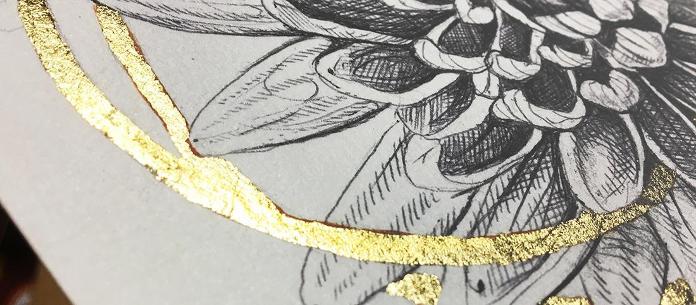
The video below details the application of gold leaf (or imitation gold leaf). This material can be purchased at larger art supply stores and can be applied to artworks to enhance their appearance. Click the link to watch.
What dimension does gold leaf add to art work? Why?
Pencil sketch some patterns or embellishments from contemporary and historical art we have looked at in the last few classes. Trace over them with a fine permanent pen, photocopy and experiment with gold leaf application. You could also test gold paint or other metallic paints, inks, watercolour paint. Also consider drawing over the gold leaf.
Experiment with a mash up of word(s) and background, old and new, design your word or issue in ‘scripture’ with street art embellishment or graffiti style writing with scripture style embellishments (decorations) for the background. Or perhaps you have an idea or ideas you want to explore within this theme.
Note down (or reference) on the back in pencil where you got your inspiration from.
This resource aligns with ‘Making’ activities. The strand it addresses is ‘Visual Arts practice - Experiment with materials, techniques, technologies and processes in a range of art forms to express ideas, concepts, and themes in artworks’.
5. FELIX IN EXILE BY WILLIAM KENTRIDGE.
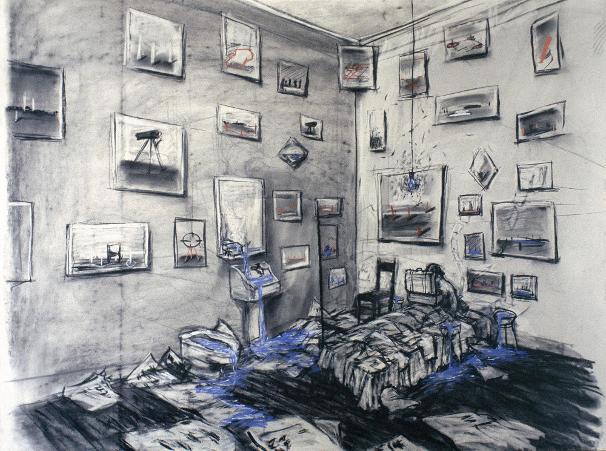
This Video is an animation by William Kentridge called “Felix in Exile’. It gives the audience insight into the lives of ordinary people affected by the devastation of apartheid in South Africa.
https://www.youtube.com/watch?v=k5w_CkyPapY
Classroom discussion about what students think political art is could effectively follow the viewing of the animation.
In pairs, students could then address how Kentridge’s animation effectively reach its audience, then share findings with class. Attention could be drawn to the non-confronting nature of the narrative. The moving pictures lull the audience so that they let their defences down and are effected emotionally by the story. The charcoal softness of the frames are clearly drawn by a human hand, not computer generated. Audiences crave and can relate to the organic nature of art made by hand, as they appreciate and can perceive the effort involved.
What about William Kentridge as a white South African man opposing apartheid, how does this affect the interpretation of the artwork?
Brain storming session – working in small groups of four or five, discuss exhibiting options to get the greatest impact for your ‘Creed’ artworks.
This resource works well as a responding exercise. It speaks to the strand, ‘Respond and Interpret - Analyse how ideas and viewpoints are expressed in artworks and how they are viewed by audiences’.
6. ART THAT CHANGED THE WORLD.
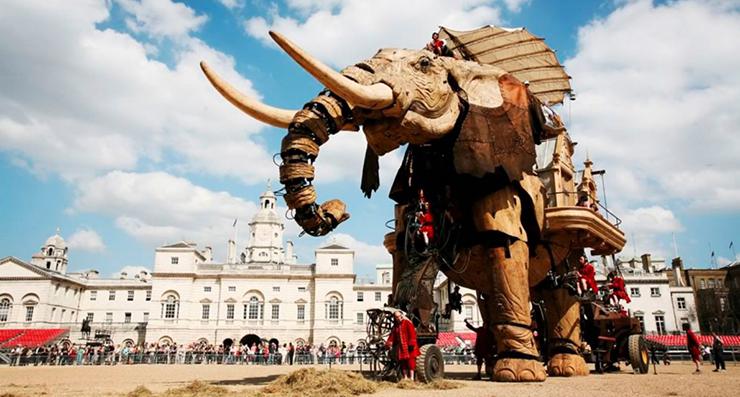
This resource teaches about the important and effective role of art in instigating world change. Click on the link below to view this video.
https://creative.vic.gov.au/showcase/art-that-changed-the-world
In pairs, discuss which artwork you liked the best and why.
The class discusses how these art works were presented to the public. Which artworks were strongly effective? Why?
In groups of three, respond and interpret to each other’s artwork (One constructively critical piece of feedback and one complimentary comment).
Group discussion, why are we discussing and examining each other’s work? (To make it stronger and to extend creative process to other effective artworks).
Look at next week’s topic/new project.
This resource is a Responding activity. It addresses ‘Present and perform – Create and display artworks, describing how ideas are expressed’.
© Copyright Ingrid Schmidt